
English pronunciation often feels unpredictable because spelling and speech evolved separately over hundreds of years.
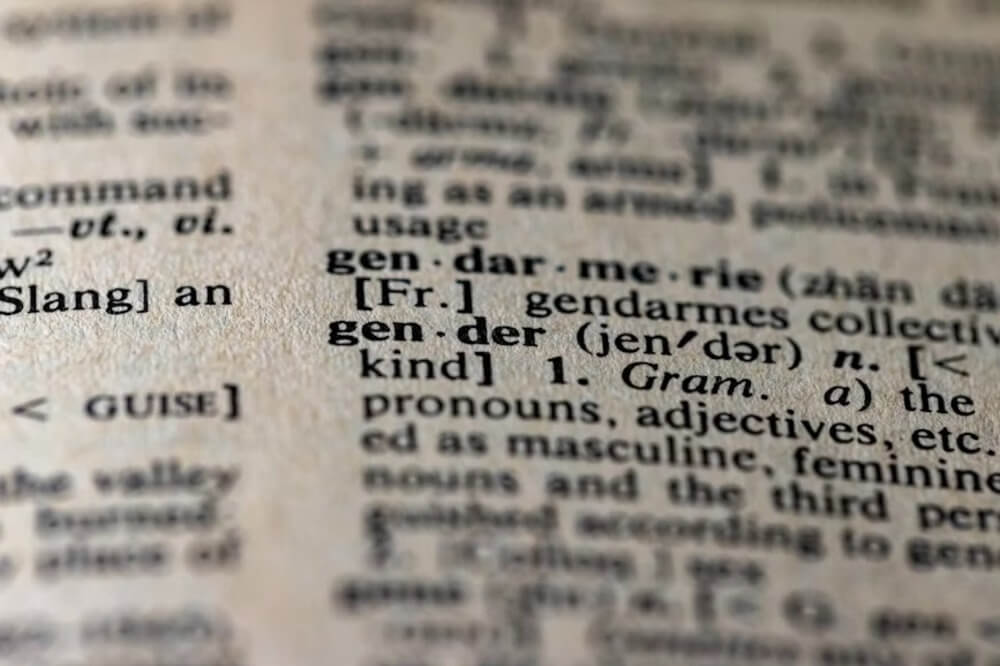
Many learners expect written English to follow consistent sound rules, but the language contains layers of historical spelling systems, borrowed vocabulary, and sound changes that no longer match modern pronunciation.
English spelling preserved older pronunciation patterns long after spoken language changed.
For example:
does not rhyme with:
even though both words contain nearly identical letters.
Likewise:
and:
all pronounce the letter group "ough" differently.
These inconsistencies are not random. Linguists generally trace them to historical sound shifts, borrowing from multiple languages, and the standardization of spelling before pronunciation stabilized.
English Borrowed Words From Multiple Language Systems
Modern English developed from several language families rather than one unified source. English vocabulary contains large influences from:
- Old English
- Norman French
- Latin
- Greek
- Old Norse
- Dutch
- German
Each language introduced different spelling conventions and sound structures.
For example:
retains French-style pronunciation with a silent final consonant.
Meanwhile:
preserves a Greek-origin silent "p". English rarely simplified borrowed spellings fully, especially after printing became widespread in the late 15th century.
This is why English contains overlapping pronunciation systems instead of one consistent phonetic model.
Vowel Teams Create Multiple Pronunciation Patterns
One major source of confusion involves vowel teams, where two or more vowels combine to represent one sound.
In many words, vowel teams follow predictable patterns:
But English vowel teams can also produce several different sounds depending on the word.
For example:
sounds different in:
- bread
- speak
- great
- steak
Vowel teams are among the most common decoding challenges for early readers because English orthography contains many historical exceptions.
Combinations like:
and:
can shift pronunciation depending on word origin and stress patterns.
This explains why learners often encounter words that appear visually similar but sound completely different.
The Great Vowel Shift Changed Spoken English
Historical linguists identify the Great Vowel Shift as one of the biggest reasons English spelling no longer matches pronunciation closely.
This large-scale sound change occurred roughly between the 1400s and 1700s. During this period, long vowel sounds moved upward in pronunciation while spelling systems stayed mostly unchanged.
For example:
was once pronounced more similarly to:
Likewise:
historically sounded closer to:
Because the printing press had already standardized much of written English, spellings remained frozen while spoken pronunciation continued evolving.
Silent Letters Were Often Pronounced Historically
Many silent letters in English were not originally silent.
Historical pronunciation records from Middle English manuscripts show that consonants now omitted in speech were once fully articulated.
For example:
originally pronounced both the "k" and the "gh".
Similarly:
once used a stronger consonant cluster at the beginning of the word.
Some silent letters were also added intentionally by scholars attempting to reconnect English words with Latin roots.
For example:
received a silent "b" because scholars linked it to the Latin word:
even though the consonant was not consistently pronounced in English speech.
Regional English Accents Affect Pronunciation Rules
English pronunciation varies significantly across regions.
Pronunciation differs not only between countries but also between regions within the same country.
For example:
may begin with either:
or:
depending on dialect.
Likewise:
and:
have multiple accepted pronunciations across American and British English varieties.
American English itself contains large vowel shifts between Southern, Midwestern, and Northeastern speech patterns.
Similar Spellings Do Not Guarantee Similar Sounds
English learners often assume similar-looking words should rhyme. However, sound changes affected groups of words unevenly over time.
For example:
does not rhyme with:
Likewise:
does not sound like:
Certain vowel groups changed pronunciation independently depending on frequency, region, and surrounding consonants.
Stress Patterns Change Word Pronunciation
English pronunciation also depends heavily on syllable stress. Shifting stress within a word often changes vowel quality completely.
For example:
all change pronunciation depending on which syllable receives stress emphasis.
Unstressed vowels frequently reduce to the schwa sound:
which is one of the most common sounds in spoken English.
English Pronunciation Reflects Language History
English pronunciation appears irregular because the language evolved through centuries of borrowing, sound shifts, spelling standardization, and regional variation.
What seems like broken pronunciation rules today usually reflects older language stages preserved in writing.
That is why English contains words like:
pronounced as:
or:
with a silent "s" added later through spelling influence.
Language historians generally describe English spelling as a historical record rather than a perfectly phonetic system.
Once learners understand that English preserves traces of older pronunciation systems, many irregular words begin to make more sense.